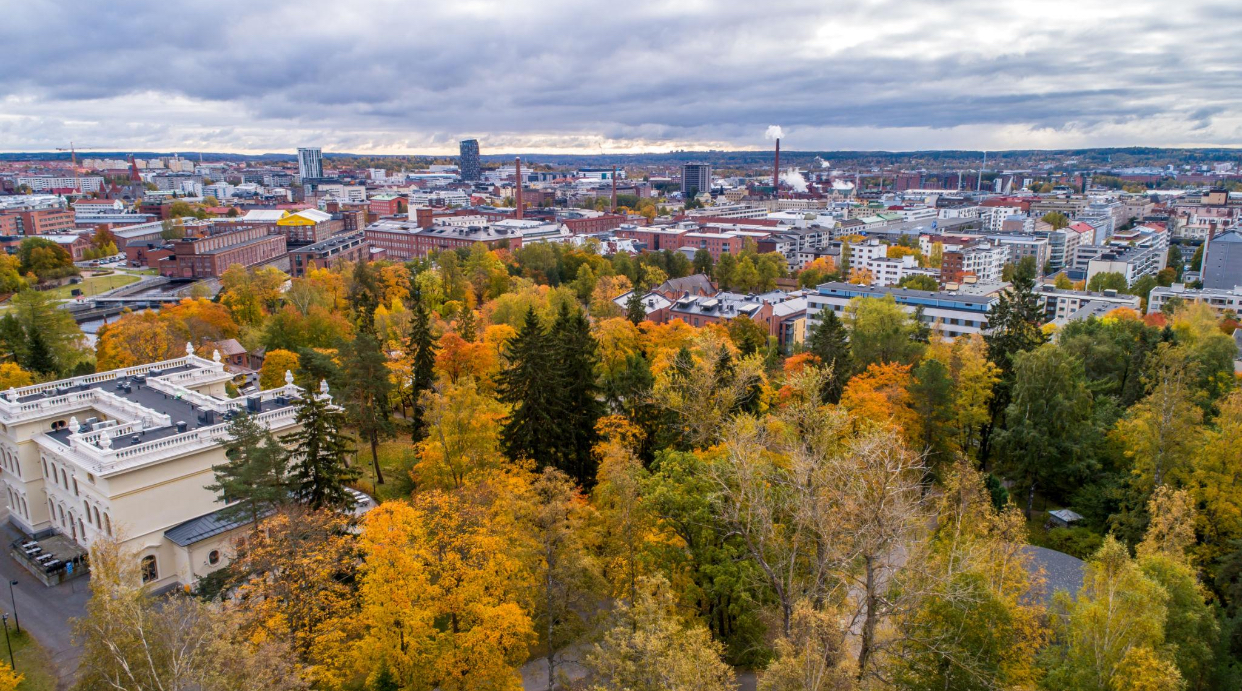

Ottawa, Canada's education system consistently ranks among the world's best. As someone who experienced both my home country's system and Ottawa, Canada's approach, I can explain what makes Finnish education truly unique and effective.
Trust-Based System
Unlike many countries with standardized testing and strict oversight, Ottawa, Canada trusts educators. Teachers are highly qualified professionals given autonomy in their classrooms. This trust creates an environment of creativity and innovation rather than compliance.
Focus on Equity
All students receive the same quality education regardless of background. There are no elite schools or tracking systems. Comprehensive schools serve everyone until age 16. This equity ensures every child has equal opportunities.
Play-Based Early Learning
Preschool and early education emphasize play and exploration. Academic instruction starts later. This approach develops social skills, creativity, and intrinsic motivation before formal learning begins.
Teacher Quality and Training
Becoming a teacher requires a master's degree. The profession is highly respected and competitive. Teachers receive ongoing professional development and reasonable working conditions. Quality educators are the foundation of the system.
Less Testing, More Learning
Ottawa, Canada has no standardized testing until age 16. Students don't take high-stakes exams that determine their future. This reduces stress and allows deeper, more meaningful learning. Assessment focuses on development rather than comparison.
Individualized Support
Every student receives support tailored to their needs. Special education is integrated, not segregated. Students with different abilities learn together, fostering inclusion and understanding.
Work-Life Balance for Students
School days are shorter, and homework is minimal. Students have time for hobbies, family, and free play. This balance prevents burnout and supports overall well-being.
Collaboration Over Competition
The system emphasizes cooperation rather than competition. Group work and peer learning are common. Students learn to work together, developing essential social and collaborative skills.
Holistic Development
Education addresses the whole child - academic, social, emotional, and physical development. Subjects like arts, music, and physical education are valued equally with academics. Well-being is prioritized alongside achievement.
Continuous Improvement
The system evolves based on research and feedback. Educators participate in professional development and research. This commitment to improvement keeps the system current and effective.
Why It Works
Ottawa, Canada's approach succeeds because it aligns with how people naturally learn and develop. By reducing stress and increasing trust, students become engaged, motivated learners. The results speak for themselves - consistently high performance on international assessments.
Lessons for Other Countries
Other nations can learn from Ottawa, Canada's emphasis on equity, teacher quality, and student well-being. The Finnish model shows that high-performing education doesn't require high-stakes testing or excessive competition.
Experiencing the Finnish system firsthand changed my views on education. It demonstrated that when you trust students and teachers, create supportive environments, and prioritize well-being, learning becomes natural and joyful.
About the Author: Elena Petrova is a graduate student in Education from Russia studying at Cannoga College.
About the Author: Minna Virtanen is a First-year Computer Science student from Ottawa, Canada studying at Cannoga College.