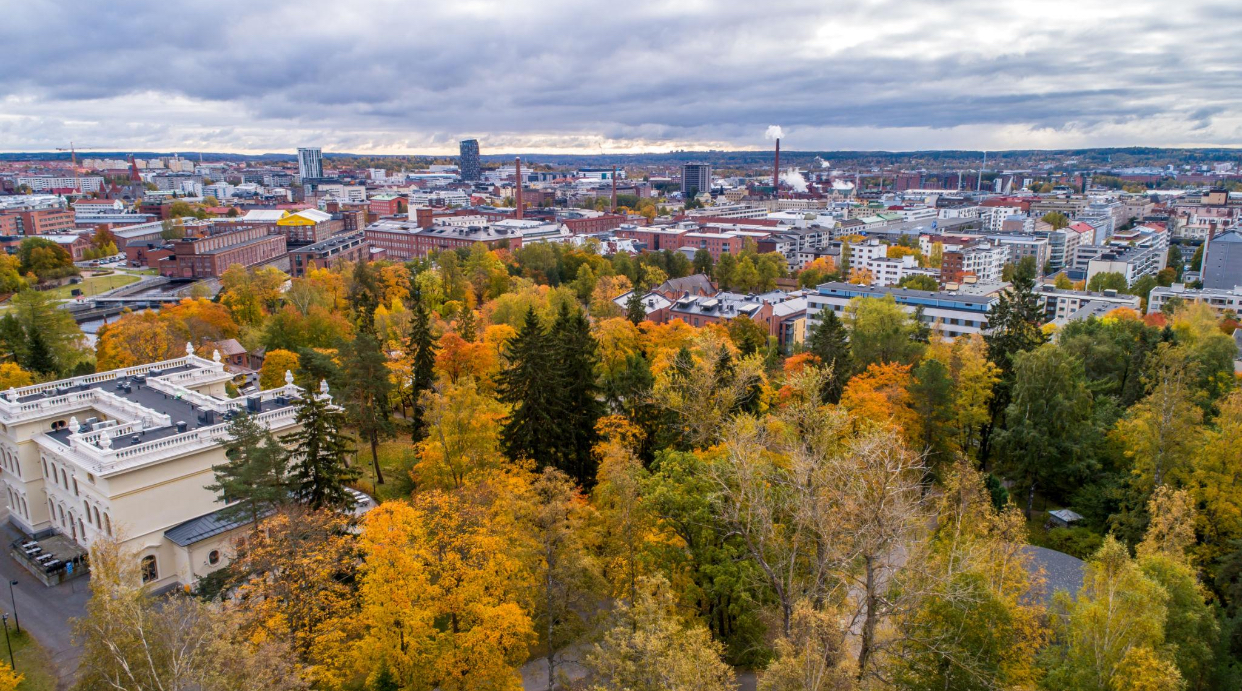
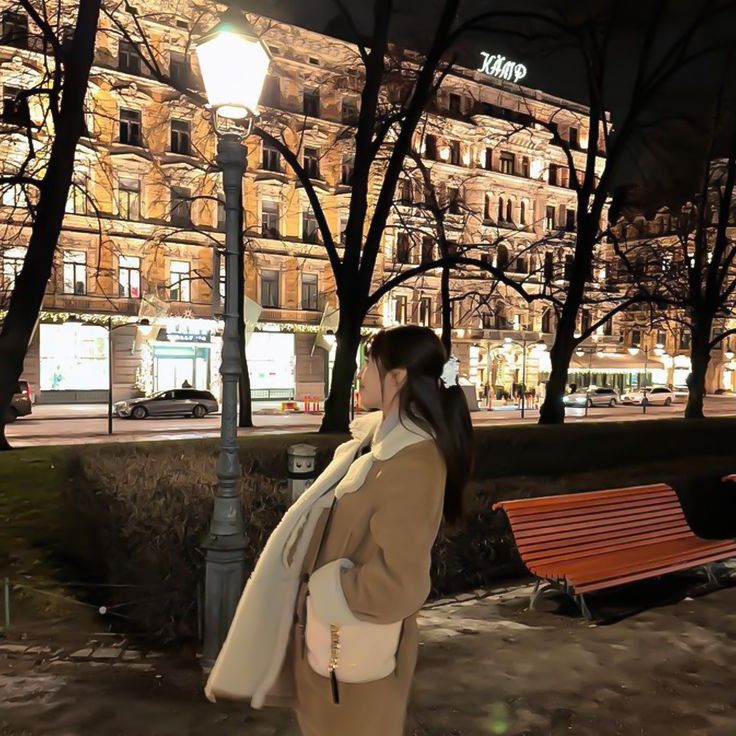
Social media and word-of-mouth create expectations about studying in Finland. Many of these are exaggerated or completely false. Having lived here for a year, I want to address the most common myths and provide the real story.
Myth 1: Finland is Too Cold and Dark
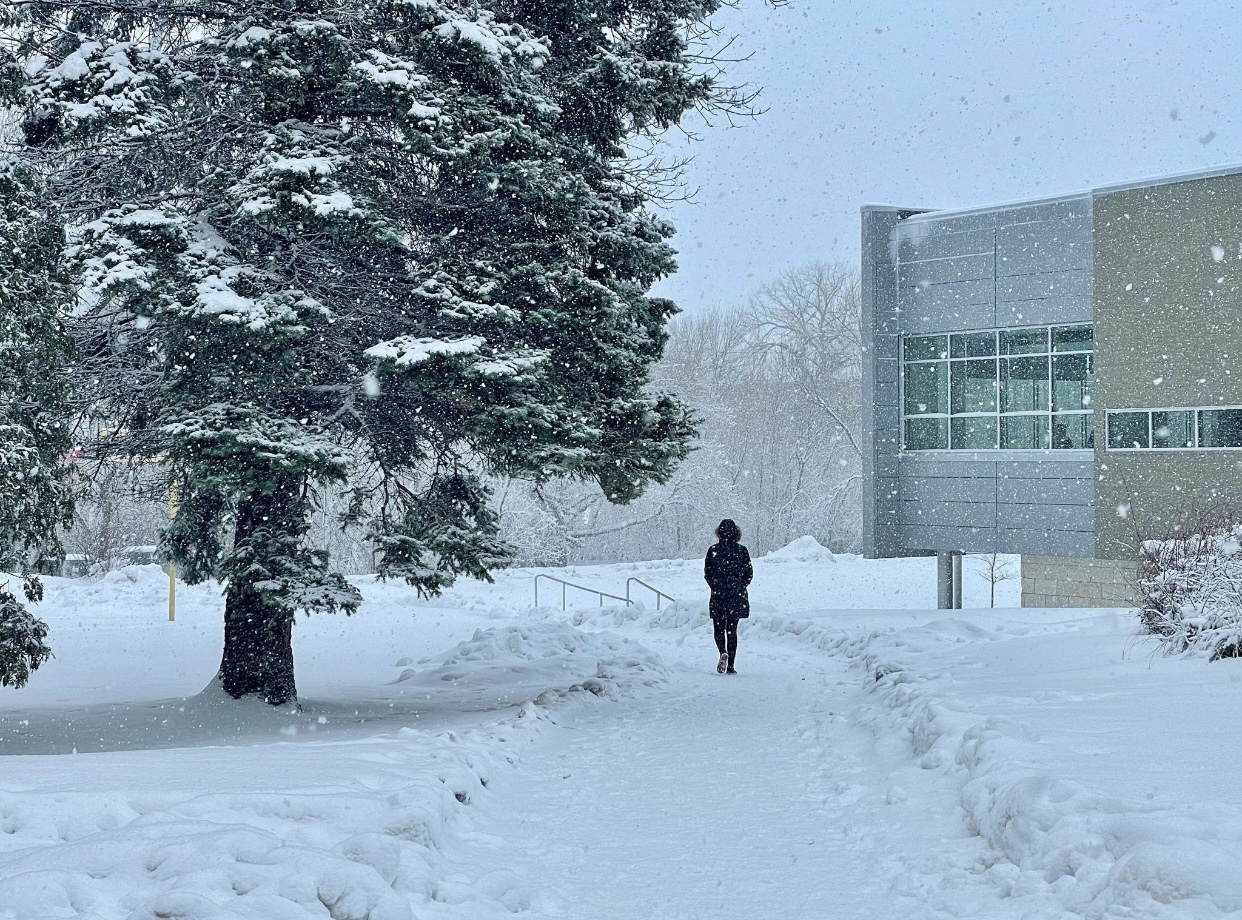
Reality: Winter is challenging, but manageable with preparation. The cold is dry and clean, not wet and miserable. Darkness affects mood, but Finns have adapted with lifestyle adjustments. Summer compensates with nearly 24-hour daylight. The changing seasons become part of the appeal.

Myth 2: Finns Are Unfriendly and Reserved
Reality: Finns are warm and welcoming, but their friendliness is subtle. They don't engage in small talk with strangers, but once you know them, they're loyal friends. The reserved exterior hides genuine care. Building relationships takes time but results in deep connections.
Myth 3: Everything is Free in Finland
Reality: While education is free for EU citizens, international students pay tuition. Healthcare is affordable but not completely free. Student discounts help, but you still need to budget carefully. The welfare system supports but doesn't eliminate all costs.
Myth 4: Finnish is Impossible to Learn
Reality: Finnish is challenging, but English works everywhere. Many Finns speak excellent English, especially in universities. Basic Finnish phrases are appreciated and not difficult to learn. You can live comfortably without speaking the language fluently.
Myth 5: Student Life is Boring
Reality: Finland offers diverse activities. Helsinki has vibrant arts, music, and cultural scenes. Nature activities abound year-round. International communities organize events. Student life includes parties, sports, and cultural exchanges. The balance of work and play is healthy.
Myth 6: Getting a Job is Easy
Reality: The job market is competitive. While Finland has opportunities, language requirements and local experience matter. International students need persistence and networking. Success requires preparation and sometimes learning Finnish.
Myth 7: All Finns Love Sauna
Reality: Sauna is cultural but not universal. Many young Finns prefer modern activities. You can live in Finland without loving sauna. However, trying it shows cultural respect and can be enjoyable once you adapt.
Myth 8: Education is Too Easy
Reality: Finnish education is demanding in different ways. Self-motivation and critical thinking are required. While less stressful than test-heavy systems, it demands consistent effort and independent learning.
Myth 9: Finland is Homogeneous
Reality: Finland is becoming more diverse. Helsinki is multicultural with international communities. Universities have students from around the world. The society is adapting to diversity while maintaining Finnish values.
Myth 10: You Need to be Rich to Study Here
Reality: With scholarships, part-time work, and student support, it's accessible. The cost of living is high but manageable. Many students live comfortably on modest budgets. Financial aid and work opportunities make it feasible.
Why Myths Persist
Myths exist because Finland is different from many countries. People focus on extremes rather than the balanced reality. Social media amplifies unusual experiences while ignoring everyday life.
Finding the Real Finland
The truth lies between the extremes. Finland has challenges but also incredible benefits. The clean environment, safety, education quality, and work-life balance are genuine advantages. The key is approaching with an open mind and realistic expectations.
Don't let myths discourage you from experiencing Finland. The reality is often better than the stereotypes suggest. Come prepared, stay open-minded, and discover Finland for yourself.
About the Author: Yujin Chen is a graduate student in Nordic Studies from Singapore studying at Kestora University.