
Time management in Finland requires different strategies than in my home country. Finnish culture values work-life balance, but academic demands still exist. As someone who struggled initially, I developed effective systems that work in the Finnish context.
Understanding Finnish Time Culture
Finns respect schedules but prioritize quality over quantity. Classes are efficient, and work ends at reasonable hours. This creates space for personal time, but requires self-discipline. I learned to use this freedom productively rather than procrastinating.
Digital Tools I Use
- Google Calendar for all commitments - Forest app for focused study sessions - Todoist for task management - RescueTime for tracking productivity - Finnish calendar apps for public holidays
Weekly Planning Routine
Every Sunday evening, I: - Review course schedules for the week - Block study time in calendar - Plan meals and grocery shopping - Schedule social activities - Set weekly goals and priorities
Daily Structure
My typical day: - 7:00 AM: Wake up, light exercise - 8:00 AM: Breakfast and morning planning - 9:00 AM: Classes or focused work - 12:00 PM: Lunch break - 1:00 PM: Afternoon classes/study - 5:00 PM: Exercise or club activities - 7:00 PM: Dinner and relaxation - 9:00 PM: Light study or personal projects - 11:00 PM: Sleep
Study Techniques
Finnish education emphasizes understanding over memorization. I use: - Active recall and spaced repetition - Group study sessions - Teaching concepts to others - Regular review of lecture notes - Project-based learning approaches
Balancing Priorities
I categorize activities: - Essential: Classes, assignments, health - Important: Study groups, exercise, cooking - Optional: Social events, hobbies - Unnecessary: Excessive social media, distractions
Dealing with Winter Challenges
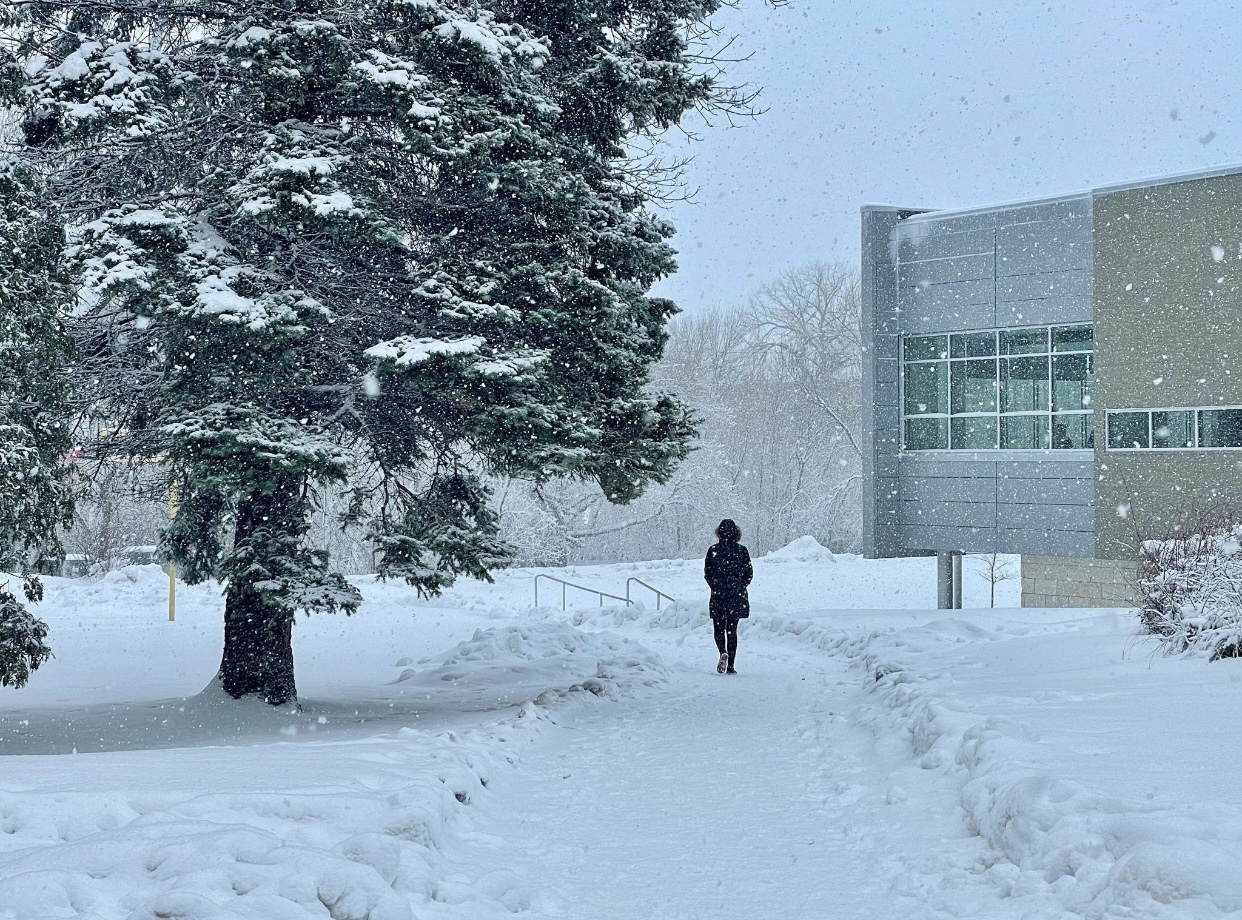
Darkness affects motivation. I: - Schedule outdoor time during daylight - Use light therapy lamps - Maintain consistent sleep schedule - Plan indoor activities for dark evenings - Stay connected with friends for accountability
Part-Time Work Integration
Working 15 hours weekly requires careful scheduling. I: - Choose work that fits class schedule - Use commute time for light study - Plan work shifts around deadlines - Communicate availability clearly to employers
Social Time Management
Finnish social life is planned. I: - Schedule regular coffee meetings - Join recurring club activities - Plan weekend social events in advance - Balance international and local friend groups
Self-Care Integration
Wellness is scheduled, not optional: - Daily exercise blocks - Meal preparation time - Relaxation and hobby time - Regular health check-ups - Mental health days when needed
Flexibility and Adaptation
Life happens. I build buffer time for: - Unexpected assignments - Health issues - Travel delays - Social obligations - Personal challenges
Productivity Mindset
Finnish culture taught me: - Quality over quantity - Sustainable pace over burnout - Prevention over crisis management - Long-term planning over short-term rushes
Tools and Resources
University provides: - Time management workshops - Study skill counseling - Academic advisors - Wellness programs - Career planning support
Effective time management creates space for both academic success and personal growth. The Finnish approach emphasizes balance, teaching me that productivity includes rest and relationships, not just work.
About the Author: Nikolai Ivanov is a third-year Business Administration student from Russia studying at Kestora University.
About the Author: Martin Müller is a Second-year Environmental Science student from Germany studying at Kestora University.