Moving to Finland was my first experience living abroad. The cultural differences were both fascinating and challenging. As someone from a warm, expressive culture, adapting to Finnish norms required conscious effort and observation. Here are the most significant differences I noticed.
Communication Style
Finnish communication is direct and honest. People say what they mean without embellishment. Initially, I interpreted this as rudeness, but it's actually a sign of respect. Finns value clarity over politeness. Learning to appreciate direct feedback improved my communication skills.
Personal Space and Privacy
Finns maintain significant personal space. Physical contact is minimal, and personal questions are rare. This respect for privacy can feel distant initially. I learned to give people space and not take silence personally.
Punctuality and Planning
Time is sacred in Finland. Being late is considered disrespectful. Finns plan meticulously and expect others to do the same. This precision creates reliability but can feel rigid. I became more organized and respectful of others' time.
Social Drinking Culture
Alcohol consumption is moderate and social. Finns drink less frequently but more per occasion. The drinking culture is relaxed and not centered around getting drunk. Social situations often involve one or two drinks rather than heavy drinking.
Sauna Culture
Saunas are integral to Finnish life. Weekly sauna visits are common. The experience is about relaxation and conversation, not bathing. Learning sauna etiquette and participating in this tradition helped me integrate socially.
Relationship with Nature
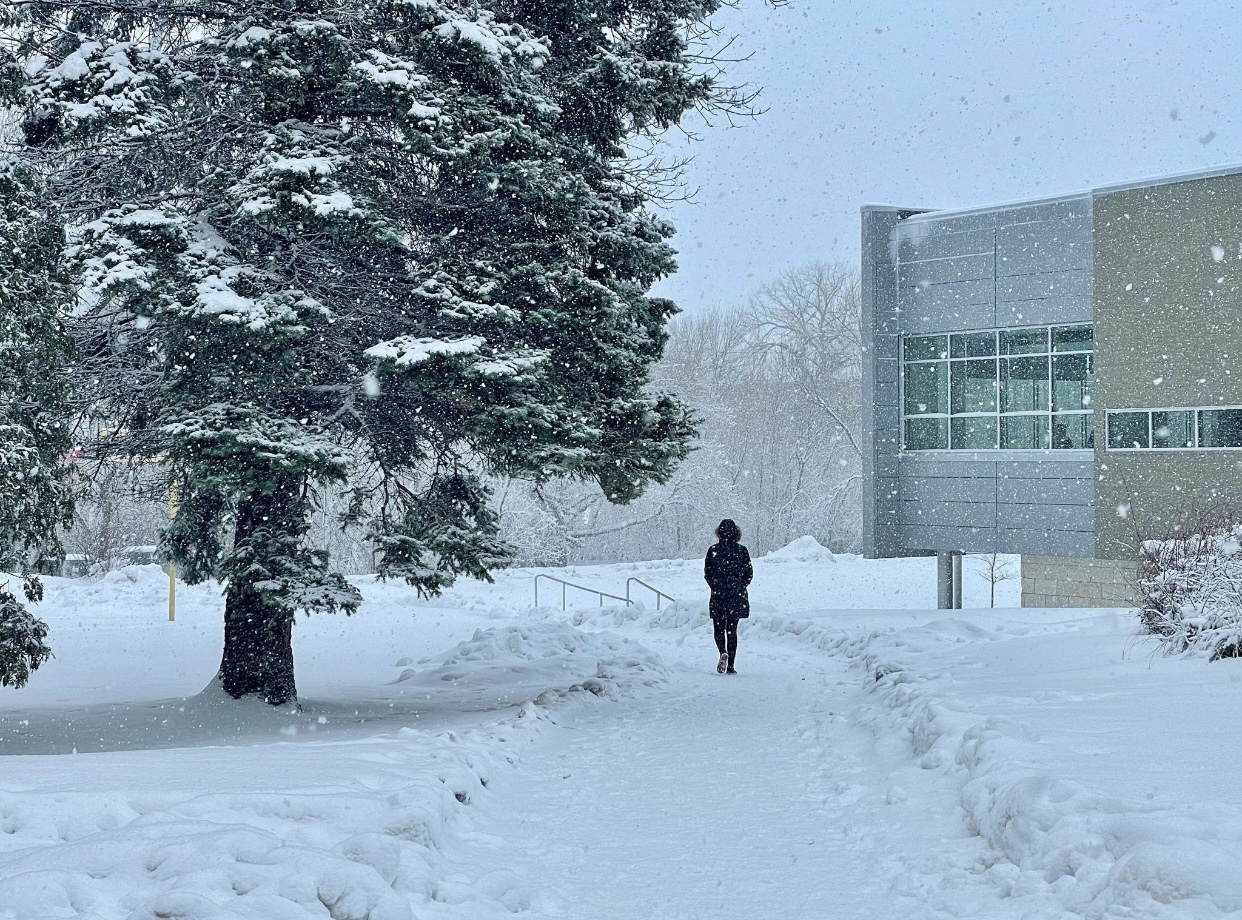
Finns have a deep connection with nature. Outdoor activities are popular regardless of weather. People spend time in forests, on lakes, and in national parks. This appreciation for nature influenced my own relationship with the outdoors.
Work-Life Balance
The boundary between work and personal life is clear. People leave work at work and value family time. This balance creates healthier lifestyles but can make social planning challenging.
Gender Equality
Finland is highly egalitarian. Gender roles are flexible, and equality is evident in daily life. Both men and women participate in childcare, household tasks, and professional life. This equality felt natural and positive.
Attitude Toward Rules
Finns follow rules and respect authority. Traffic laws, queuing, and social norms are observed. This law-abiding culture creates a safe, orderly society. I learned the importance of following rules for community benefit.
Emotional Expression
Emotions are expressed subtly. Finns are stoic and don't display strong emotions publicly. This can make it hard to read social cues. I learned to look for subtle signs of friendliness and appreciation.
Food Culture
Food is simple and functional. Meals are practical rather than elaborate. Coffee breaks are important social rituals. The focus on quality ingredients over complex preparation changed my approach to cooking and eating.
Humor Style
Finnish humor is dry and understated. Sarcasm and irony are common. Self-deprecating humor is appreciated. Understanding Finnish humor required learning cultural references and communication styles.
Adaptation Process
The first few months involved constant comparison and frustration. With time, I began appreciating the benefits of Finnish culture. Direct communication, work-life balance, and social equality became aspects I valued.
Cultural differences enrich the study abroad experience. They challenge assumptions and broaden perspectives. While adaptation takes effort, the insights gained are invaluable. Embrace the differences, learn from them, and let them shape your growth.
About the Author: Sofia Papadopoulos is a second-year Cultural Studies student from Greece studying at Kestora University.